Skip to content

Table of Contents
PDO thread lifts offer a practical solution for those looking to lift and tighten their skin without surgery. Using biocompatible threads that naturally dissolve over time, the procedure provides a subtle lift, enhancing facial contours and lessening sagging skin formation. The appeal lies in its minimally invasive nature, allowing for noticeable results with minimal downtime.
Unlike more invasive options, PDO thread lifts stimulate the body’s own collagen production, ensuring that the skin continues to improve even after the threads have dissolved. It’s a straightforward approach to rejuvenation that fits seamlessly into most lifestyles, offering both immediate and long-lasting benefits without the extended recovery time typically associated with surgical procedures.
What Are PDO Threads?
PDO (Polydioxanone) threads have a long history in medical applications, particularly in surgery, where they are used as sutures. These threads are favored for their safety, as they naturally dissolve in the body over time. When used in cosmetic procedures, PDO threads are inserted beneath the skin, where they create a support scaffolding that lifts and tightens sagging areas.
There are three main types of PDO threads: mono, cog, and screw. Each serves a different purpose. Mono threads are smooth and primarily used for skin tightening. Cog threads have barbs that hook onto the tissue, providing a lifting effect. Screw threads are intertwined and add volume to areas that need more definition. The choice of thread depends on your specific needs and the area being treated.
How PDO Threads Work
The procedure begins with the insertion of PDO threads into the skin using a cannula or fine needle. These threads act as a scaffold that supports the skin’s structure, providing an immediate lifting effect. The strategic placement of these threads is key to achieving a natural and effective lift, particularly in areas like the jawline, cheeks, and neck.
Beyond the immediate lift, PDO threads also stimulate collagen production. Your skin’s elasticity and strength are boosted by collagen. Collagen creation declines with age, resulting in wrinkles and sagging skin. By inserting PDO threads, the body’s natural healing response is triggered, leading to an increase in collagen production. As the threads dissolve over six months, a new network of collagen fibers takes their place, providing support and maintaining the lifting effect for an additional 12 to 24 months.
The PDO Thread Lift Procedure
A PDO thread lift is a quick procedure, typically taking about an hour, depending on the areas being treated. The process starts with the application of a topical anesthetic or local anesthesia to guarantee comfort. Once the area is numb, the threads are inserted into the skin using a cannula or needle. The practitioner then pulls the threads to create the desired lift and trims any excess thread.
Utilizing a cannula instead of a sharp needle minimizes the risk of bruising and swelling. It also allows for more precise placement, leading to more even and natural-looking results. After the threads are secured, they begin their dual function of lifting the skin and stimulating collagen production.
Benefits of PDO Thread Lifts
In the first few months after the PDO Thread Lift procedure, patients often notice a lift and tightening, and results continue to improve. This gradual improvement gives the skin a natural, youthful look without the need for more invasive procedures like a surgical facelift.
The procedure also has minimal downtime, allowing most people to return to their normal activities within a day or two. You should avoid strenuous exercise and excessive facial movements for about a week to let the threads settle.
It’s biocompatible and dissolves naturally inside the body, so there’s no risk of long-term complications. This makes them a safer alternative to surgical facelifts, which come with higher risks of scarring, infection, and longer recovery times.
Potential Risks and Side Effects
Like any cosmetic procedure, PDO thread lifts come with potential risks. It’s not uncommon to experience bruising, swelling, and mild discomfort, but they usually go away within a few days. It’s rare for serious complications to happen, but they can, especially if the procedure is performed by someone who isn’t experienced.
Another potential issue is asymmetry, where one side of the face might look slightly different from the other due to uneven thread placement or tension. This is usually correctable with minor adjustments, underscoring the importance of choosing a skilled provider.
Who is a Good Candidate for PDO Thread Lifts?
In your 30s to 50s, if you’re starting to notice signs of aging like mild to moderate skin laxity, PDO thread lifts are for you. People looking for subtle improvements without the risks and recovery time of surgery will love this procedure.
However, PDO thread lifts might not be suitable for everyone. People with significant skin laxity or very thin skin may not attain the ideal results with threads alone and might need more invasive treatments. Additionally, those with certain medical conditions, such as autoimmune disorders or active skin infections, should avoid this procedure.
What to Expect During Recovery
Recovery from a PDO thread lift is relatively quick, with most patients experiencing only minor discomfort and swelling. It’s advised to avoid washing the face for at least 24 hours after the procedure and to steer clear of makeup and skincare products for a few days to reduce the risk of irritation or infection.
Sleeping with the head elevated can help minimize swelling, and it’s recommended to avoid facial massages, vigorous exercise, and dental treatments for a few weeks to ensure that the threads stay in place. Over-the-counter pain relievers can help handle any discomfort, but most people find they can return to normal activities within a day or two.
Takeaway
Whether you’re looking to address mild sagging or simply enhance your natural contours, a PDO thread lift delivers noticeable results that continue to enrich over time as your body creates new collagen. With benefits that last up to 24 months, it’s a practical option for those who want a non-surgical facelift with PDO threads.
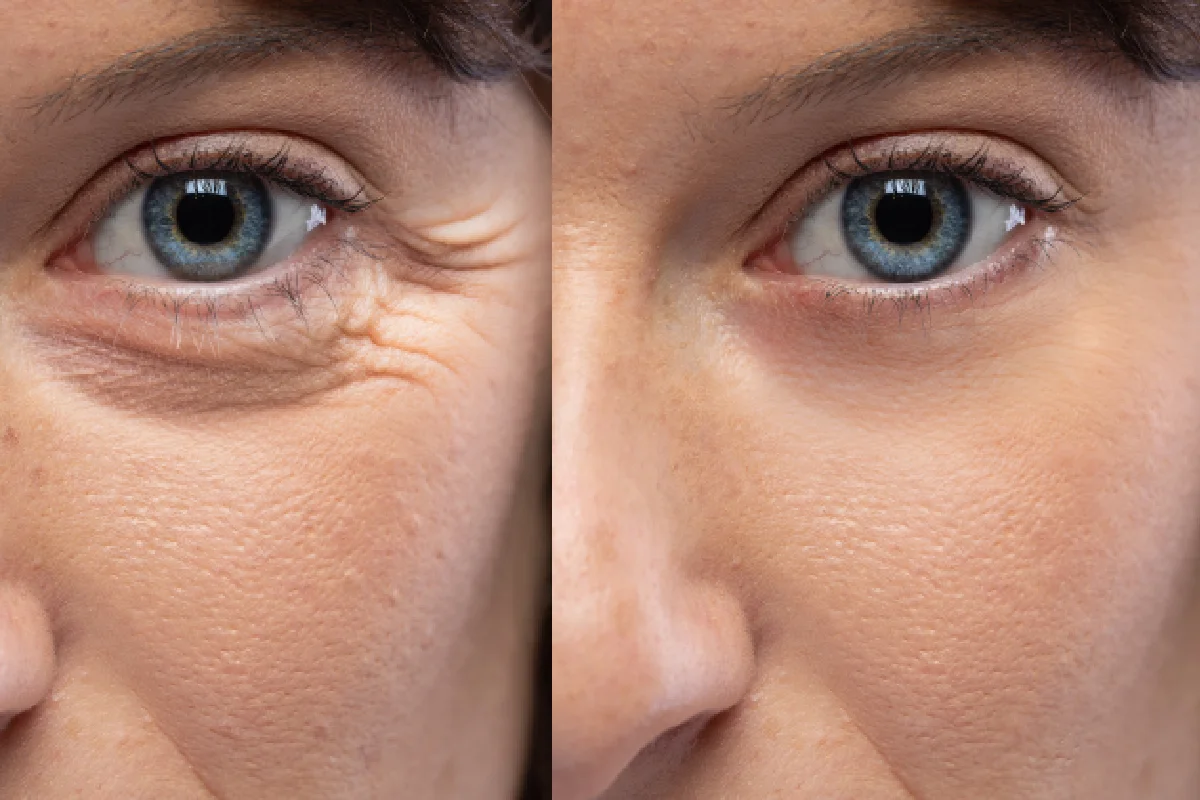
When considering this treatment, viewing PDO thread lift before and after photos can help set realistic expectations. If you’ve been wondering, “How long do PDO threads last?” and are curious about the possibilities, now might be the time to explore this option further. Lift and rejuvenate your skin book your PDO threads consultation today! The LoneStar Aesthetics & Wellness team offers personal assessments to make sure that PDO threads are exactly what you need.